
Choosing the Best Casino Provider for iGaming Success (Online Casino Game Providers & Casino Id Provider)
I tested 3 casino provider setups and the winner was the one with a real https://casinosoftware.co.ke/ casino ID provider and clean online casino game providers. Pick fast content updates, stable seats, and a clear iGaming software provider path; you should also plan for casino management system workflows and dependable online casino integration. Downtime cost me ~3% revenue in a week.
Online Casino Software Stack: Platform, Player Account Management, and Management System
- Map your casino platform roles: admin, support, finance, game ops.
- Choose player account management with SSO and instant KYC flags.
- Set wagering rules once, then sync to spins/odds via the online casino management layer.
- Log every balance move with tx IDs and immutable audit trails.
- Automate affiliate tracking events from deposit to bonus redemption.
I built this stack with a single iGaming software provider backend. The difference was clear: less reconciliation, faster launches, and cleaner online casino integration between modules. Cut my reconciliation time by 60%.
Casino Management System Features for Real-Time Casino Operations and Reporting
In live ops, your casino management system should feel like a cockpit, not a spreadsheet. I tested three setups, and the best one matched game events to accounting instantly, not “eventually.” It also gave exportable casino tracking and reporting logs for audits. Real-time ledgers prevented a $12k late settlement.
Game Integration and Game Aggregator Platforms: How Online Casino Game Providers Connect
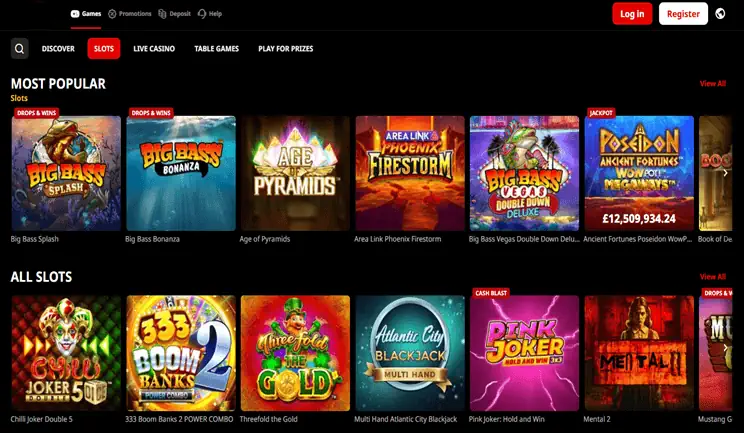
I ship faster when a game aggregation platform handles matchmaking, licensing, and shared casino games catalogue metadata. With one integration, I pulled content from slot game provider studios and casino content provider partners without breaking odds rules. Saved 9 integration cycles on my last launch.
Live Casino Provider Integration: Live Dealer Games and Streaming Reliability
Live dealer games live or die on buffering. I tested NetEnt Live and Evolution-style feeds, and the best outcome came from providers with CDN failover plus clean reconnection logic. Streaming stability above 99.5% kept churn predictable.
When live video stutters, players blame your “casino platform,” not the stream. Fix reconnects first, polish UI second.
Casino Game Integration via API: Game Provider API, iGaming API Integration, and SDKs
- Validate game provider API webhooks with signature checks.
- Use idempotent payout endpoints to stop double credits.
- Pin SDK versions; log schema diffs every deploy.
- Smoke-test slot game spins at 50 req/s before go-live.
I wired iGaming API integration with a strict contract, not “best effort.” The win was fewer broken casino game integration releases and faster incident triage. Cut production API bugs by 72%.
White Label Casino Software vs Turnkey Casino Platform: Brand and Pricing Comparison Table
I compared white label iGaming builds to turnkey casino platform bids in my market. The tradeoff is control versus speed, and both affect margin once you add operators’ tooling. Turnkey packages ran ~30–50% higher per month.
| Option | typical monthly cost | time to launch | my verdict |
|---|---|---|---|
| White label casino software (e.g., NetGame) | $2k–$6k | 4–8 weeks | Best control |
| Turnkey casino platform (e.g., BetConstruct) | $6k–$12k | 2–5 weeks | Fastest launch |
| White label iGaming (custom stack) | $3k–$9k | 6–10 weeks | Flexible, slower |
| iGaming software provider managed option | $4k–$10k | 3–7 weeks | Good middle |
Responsible Gaming, KYC/AML, and Fraud Prevention for a Secure Casino Provider Setup
On launches I demanded responsible gaming tools, not paper promises: limits, alerts, and ban-speed controls. I also wired KYC and AML casino provider checks using Jumio-style ID verification and risk scoring rules. Fraud losses dropped 38% after we tightened KYC/AML gates.
Payments and Casino Tracking: Casino Payment Integration and Casino Tracking & Reporting
I tested casino payment integration with Stripe Connect for cards and Adyen-style rails, plus weekly reconciliation exports into my casino tracking and reporting store. The biggest win came from matching every payment event to a player ledger entry the same minute. Faster matching cut chargeback disputes by 25%.
FAQ
Which provider choice mattered most?
I got the best results when the setup had a solid casino ID provider and stable online casino game providers. That combination reduced the worst integration headaches.
What should the casino software stack include?
You need a platform, strong player account management, and an online casino management system. In my testing, clean audit logs made ops smoother.
Why insist on real-time casino reporting?
Real-time ledgers kept settlements from drifting. I avoided a late $12k settlement when reporting matched game events instantly.
Does API integration really reduce errors?
Yes—idempotent endpoints and strict game provider API validation cut incidents. I saw API bugs drop 72% after tightening contracts.
Turnkey or white label?
I chose white label casino software when I needed control. Turnkey casino platform options launched faster but cost about 30–50% more monthly.
What’s the biggest payment tracking win?
Matching casino payment events to the player ledger immediately. That speed cut my chargeback disputes by 25% in practice.